How to enable call privacy

How to enable Call Privacy on your CGI VoIP Service…

Private Calling” or “Call Privacy” is a feature that callers can use to block their Caller ID information from the recipient of the call. That means that the caller has chosen to block their Caller ID information, either by blocking it by default or by dialing a service code to block it on a per call basis.

To enable call privacy on your VoIP Extension do the following:

From the extension you want to forward, pickup the handset (take the phone off hook), and dial:

*67+the destination telephone number

(e.g. *671234567890)

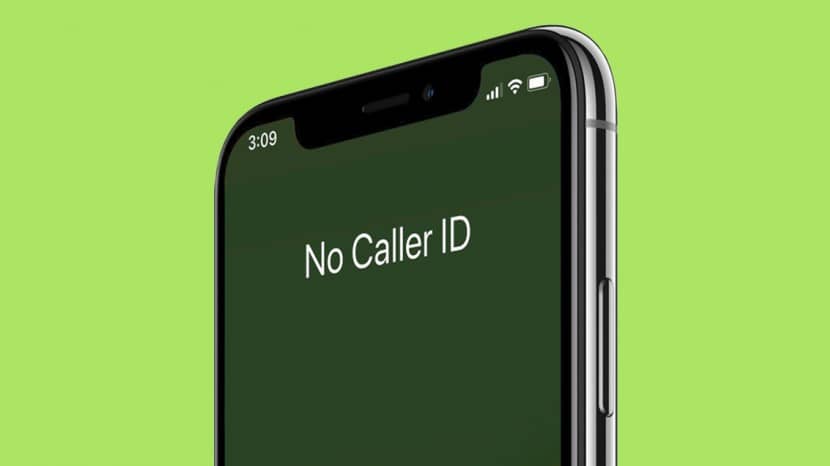
The call will complete but the recipient will see:

“No Caller ID” or “Private Call” on their phone’s caller ID. 

CGI VoIP Call Privacy is performed on a “Per Call” basis. The next call you place without prefixing the destination number using *67 will have its normal caller ID information attached to it.

That’s it – too easy right?

*Please Note* – Don’t think that you can use this feature to harass someone by telephone. It is still possible for the carrier to view the caller ID information with the timestamp of the call, so when the police ask for it – we are going to give it to them! You have been warned!

 

Share the Post:

Related Posts

How to identify SPAM / Phishing Emails

Email is a vital communication tool, but it also serves as a prime target for cybercriminals. Phishing attacks can trick you into revealing sensitive information or clicking harmful links. To protect yourself, it’s crucial to recognize the warning signs of phishing emails. From urgent language and generic greetings to unexpected attachments and offers that seem too good to be true, understanding these red flags can help you stay safe. Discover the essential tips and best practices to identify and avoid phishing scams, ensuring your personal and professional information remains secure. Read on to learn more!

Read More

Pros and Cons of Internet Cameras (Ring, Nest, Blink, etc)

In today’s smart technology era, home security has advanced with cloud cameras like Ring, Nest, and Blink. These devices offer enhanced security, easy installation, and smart home integration. However, they also come with drawbacks, including bandwidth usage, privacy concerns, and subscription costs. Are these cameras right for you? This blog explores the pros and cons of internet-based cameras to help you make informed decisions about your home security. Discover how these devices can enhance your safety and convenience!

Read More